


Food packaging · Compostable & sustainable films
orfix Compostable and Sustainable Films: A Specialist Solution
A specialist solution for organic, artisan and sustainability-led brands. orfix NJB Packaging produces and converts compostable film in Maynooth, Ireland, as a deliberate niche route, not a drop-in replacement for recyclable plastic.
The range covers two material families: home-compostable cellulose and industrially compostable PLA, and the end-of-life route differs between them (see the specifications below). Compostable is chosen here for a genuine compostability commitment and a credible end-of-life story. Where extended shelf-life or proven kerbside recycling matters more, a recyclable mono-material route is the honest answer, and the qualification blocks below are written to help you decide quickly.

A specialist route, stated honestly
Compostable for organic, artisan and sustainability-led brands whose positioning calls for a plant-based pack, not an equal to the mainstream recyclable films.

Two end-of-life routes
Home-compostable cellulose for home, industrial and anaerobic digestion routes, and PLA for industrial composting only. Film-level certification is reviewed individually, depending on product and production partner.

Machine-ready after assessment
Heat-sealable on both sides, matchable to lines such as Multivac, GEA, Webomatic and Sealpac once seal temperature, dwell time and web tension are assessed.
Overview of orfix compostable and sustainable options
| Option | Material basis | Format | Compost route | Certification note |
|---|---|---|---|---|
| Compostable film (cellulose) | Wood pulp (renewable) | Flow-wrap, lidding film, thickness agreed individually | Home, industrial and anaerobic digestion | Film-level EN 13432 and compostable-label adhesive certification (EN 13432, EC 1935/2004, FDA 175.105) possible in principle, reviewed individually |
| Compostable film (PLA) | Fermented plant starch (renewable) | Flow-wrap, thermoformable, thickness agreed individually | Industrial only (T greater than 58C, rh greater than 90%) | EN 13432, TUV OK compost, ASTM D6400 and DIN CERTCO Seedling reviewed individually, depending on product and production partner; no logos shown until verified |
| Compostable baguette bag | Compostable film | Fully perforated, dimensions and gauge on request | Confirmed on request, depending on material and application | EU and FDA food-contact approval and film-level EN 13432 possible in principle, reviewed individually |
| Compostable wicketed bag | Compostable film | Wicket dispenser, dimensions and gauge on request | Confirmed on request, depending on material and application | EU and FDA food-contact approval and film-level EN 13432 possible in principle, reviewed individually |
| Compostable microperforated bag | Compostable film | Centre-strip perforation, dimensions and gauge on request | Confirmed on request, depending on material and application | EU and FDA food-contact approval and film-level EN 13432 possible in principle, reviewed individually |
| Paper-based or fibre options (paper bag, fibre tray) | On request, agreed individually | On request, agreed individually | On request, agreed individually | Food-contact suitability confirmed on request; listed only once grades are confirmed |
Key features
- Heat-sealable on both sides, with an excellent moisture barrier on cellulose grades and a good barrier to gases and aromas
- Dead-fold characteristics and inherent anti-static properties for clean line running
- Renewable raw materials: cellulose from wood pulp, and PLA from fermented plant starch derived from corn, cassava, sugarcane or sugar beet pulp
- Cellulose grades positioned for home, industrial and anaerobic digestion routes
- Compostable labels for sealing bags and containers, with adhesive certification to EN 13432 possible in principle and reviewed individually
- In-house slitting of jumbo rolls to your production width (10 to 400 micron, up to 1600 mm wide), so the reel fits your machine instead of forcing a compromise
- Resistant to oils and greases, which helps with bakery and similar fresh categories
- Controlled slip plus excellent transparency and gloss
- Centre-strip or fully perforated grades let moisture escape while bread cools
- PLA composts under controlled industrial conditions (T greater than 58C, rh greater than 90%, presence of micro-organisms)
- Honest trade-off: compostable grades deliver a shorter shelf-life than high-barrier plastics, and OTR, MVTR and shelf-life figures are confirmed on request, depending on product and application
- Samples or trial quantities are available, so you can run the compostable film on your own line before committing to a full order
Applications
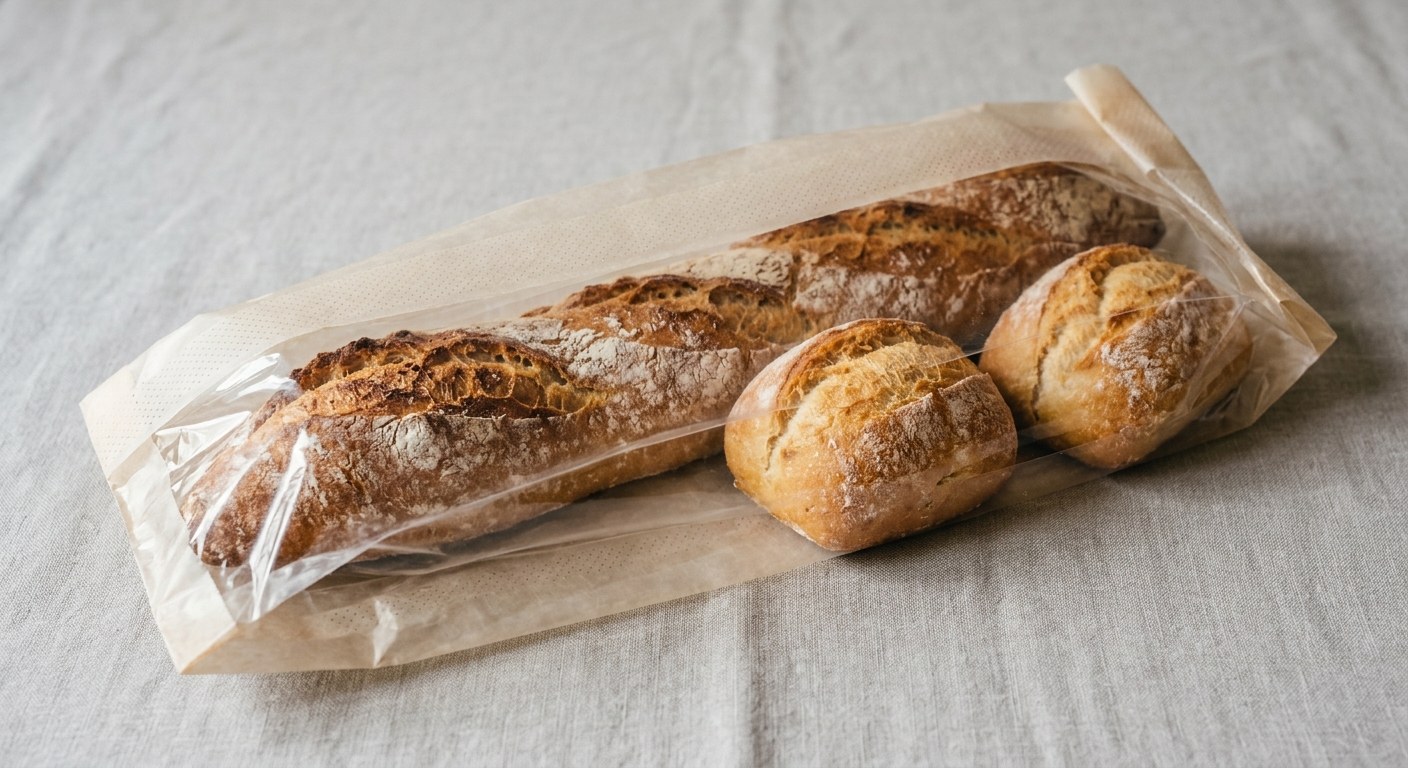
Artisan bakery
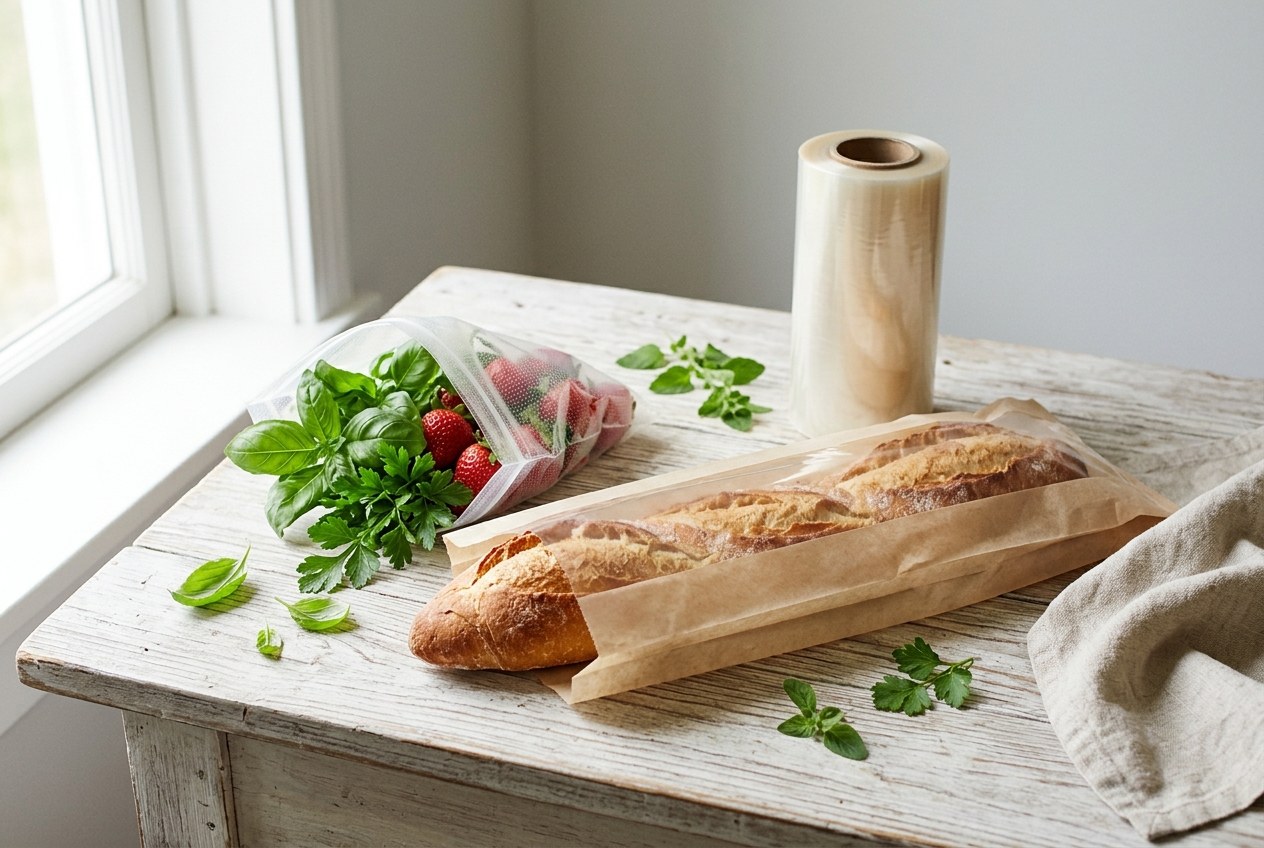
Bread, rolls, baguettes and pastries via microperforated, wicketed and baguette bags for artisan and short-shelf-life lines.
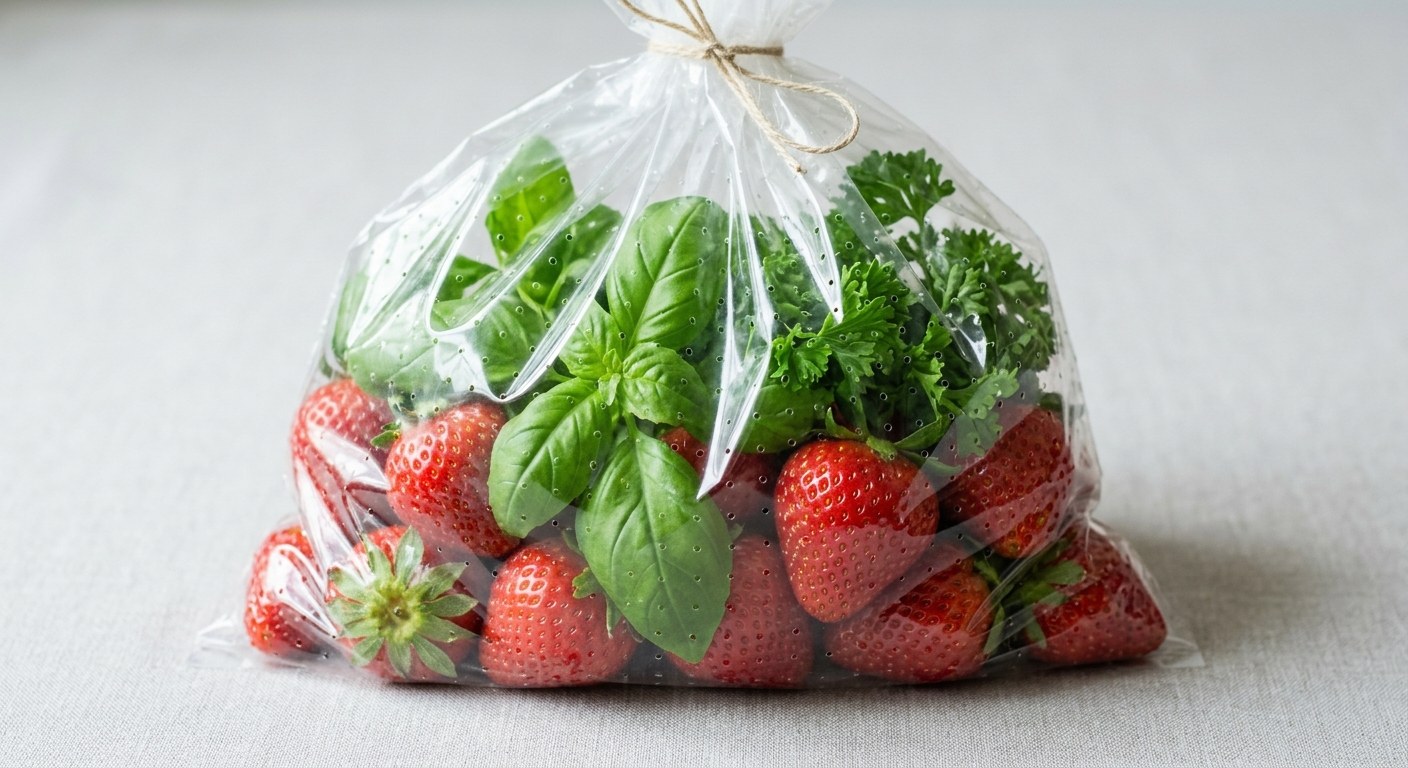
Fresh and organic produce
Herbs, soft fruit and vegetables via perforated grades that manage moisture for fast-moving categories.
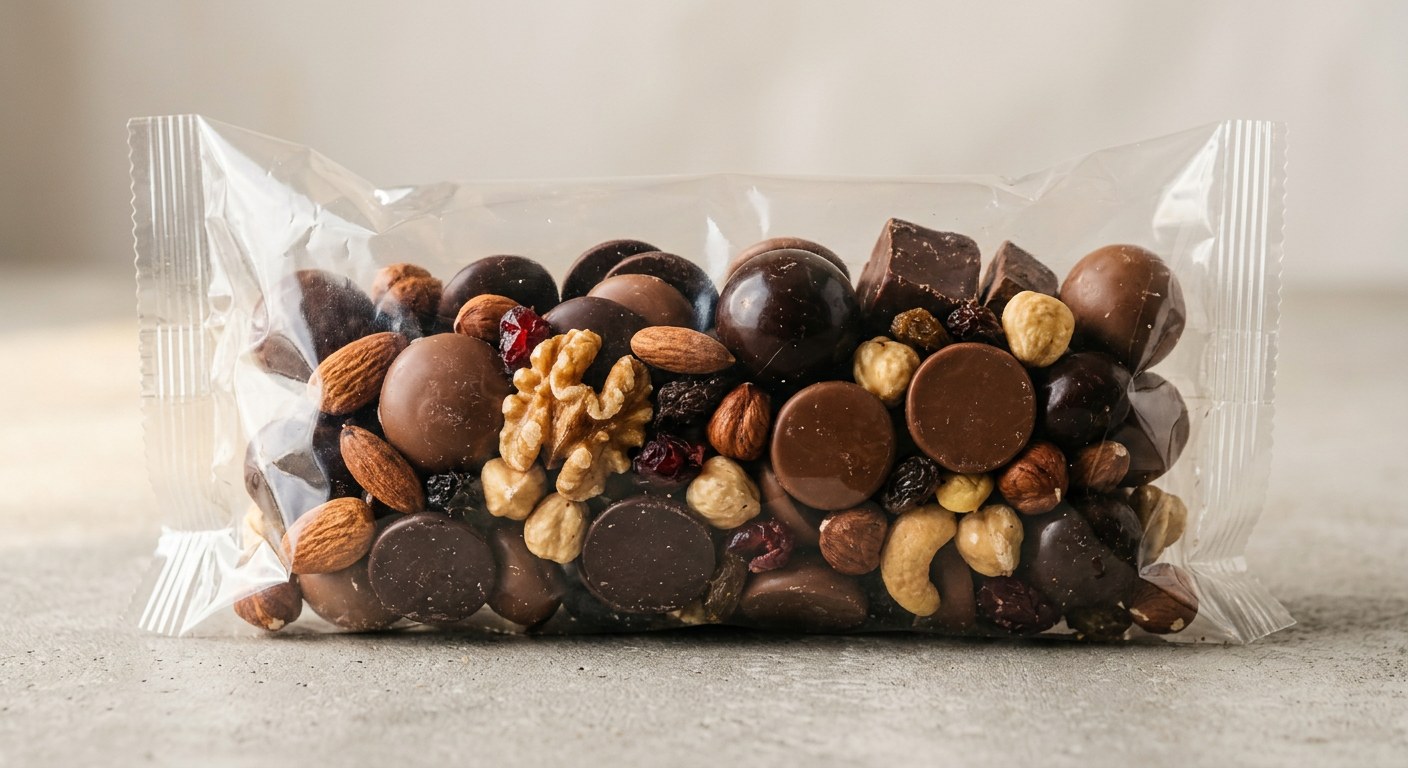
Confectionery and dry foods
Chocolates, sweets, grains, pulses and nuts in plant-based flow-wrap and bags.
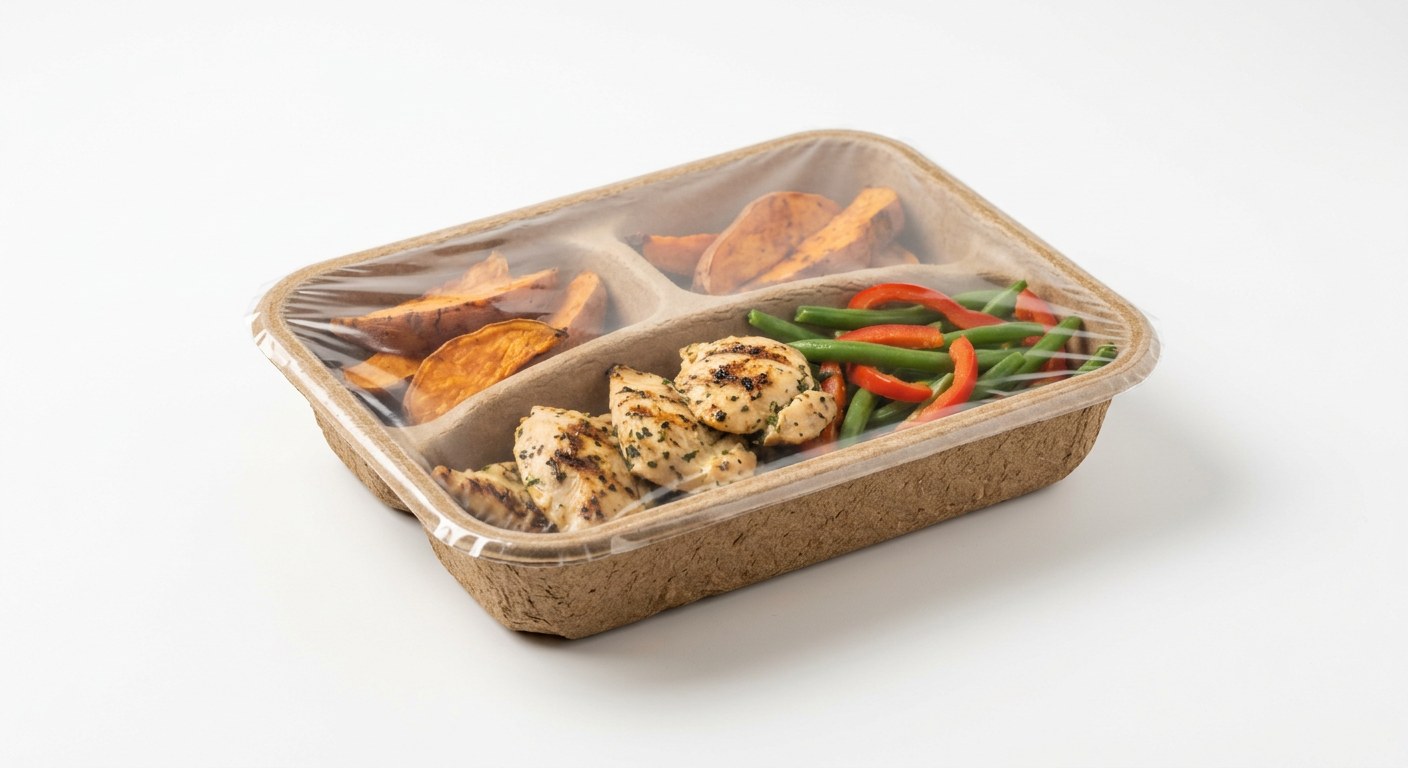
Lidding film and board lamination
Tray lids and paper-based composite packs for fibre trays and board.
Related solutions and overview
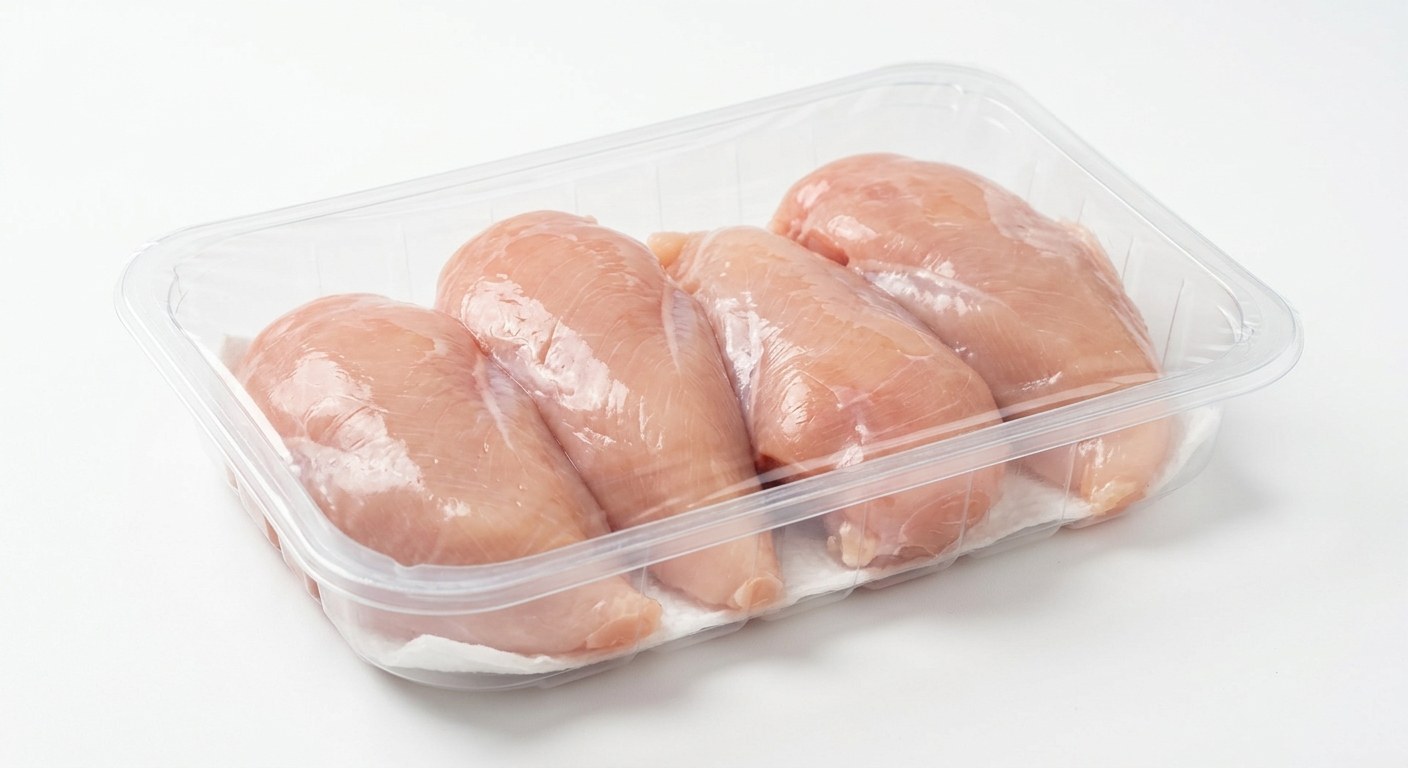
mono-PET tray lidding films
The recyclable lidding alternative when proven kerbside recycling or longer shelf-life is the priority.
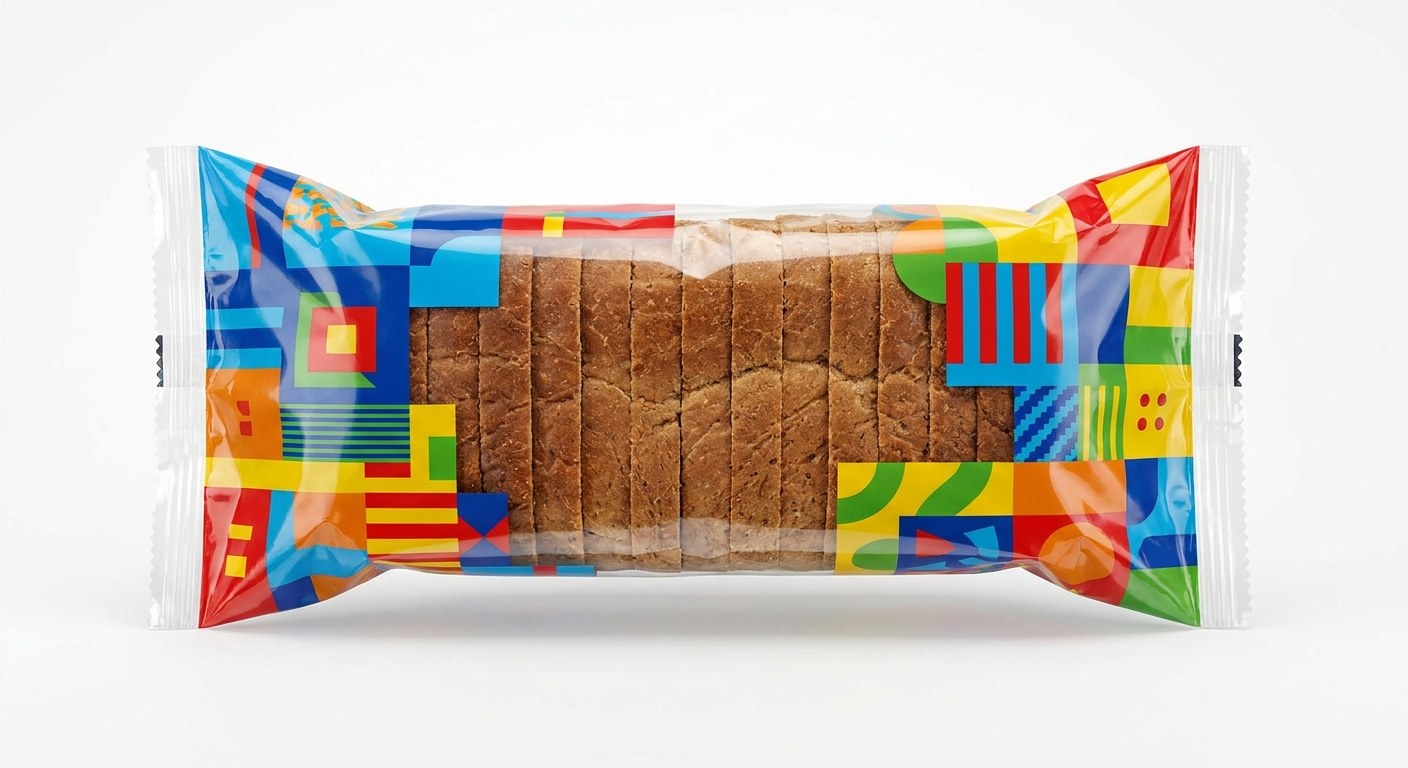
mono-PE flow wrap films
The recyclable flow-wrap alternative for bakery and produce where kerbside recycling exists.
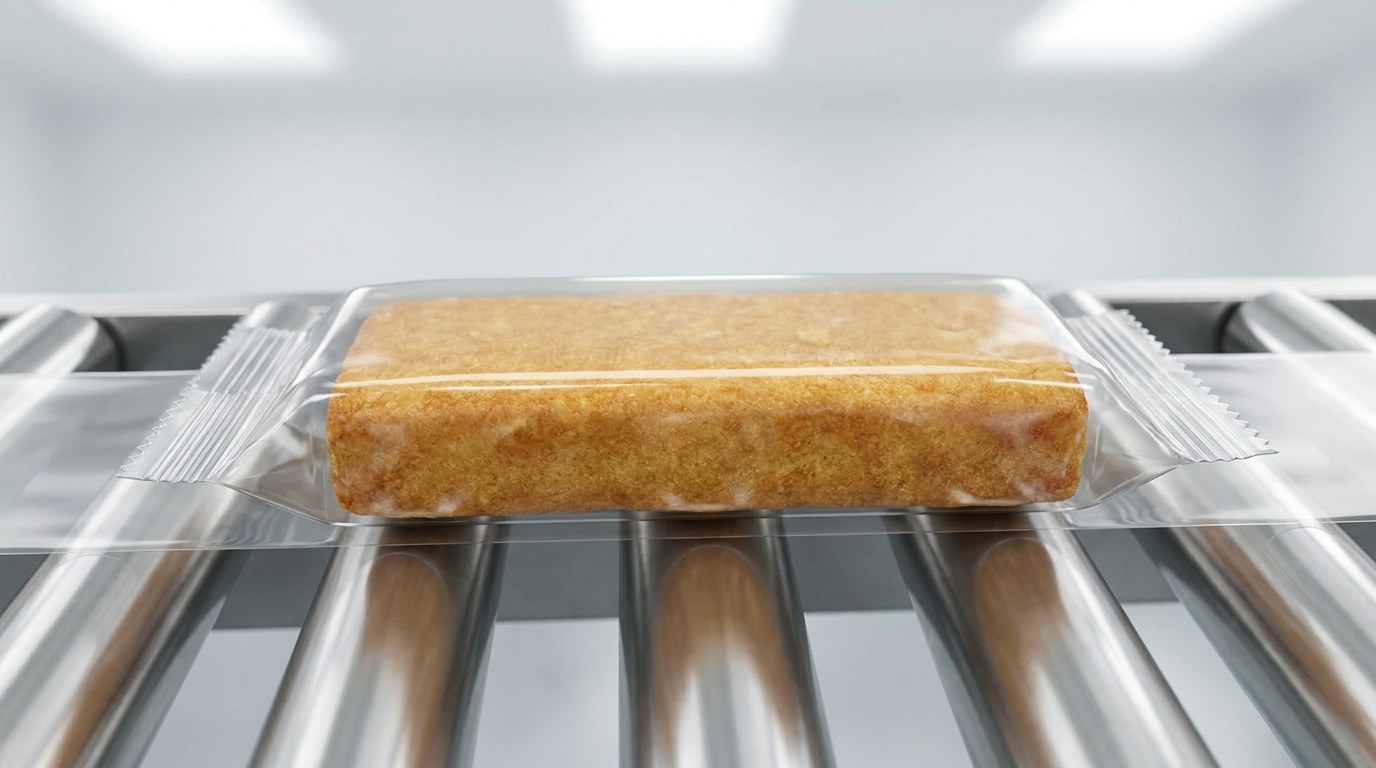
Flow Wrap Films overview
The OPP and PE overview for secondary context on the recyclable flow-wrap routes.
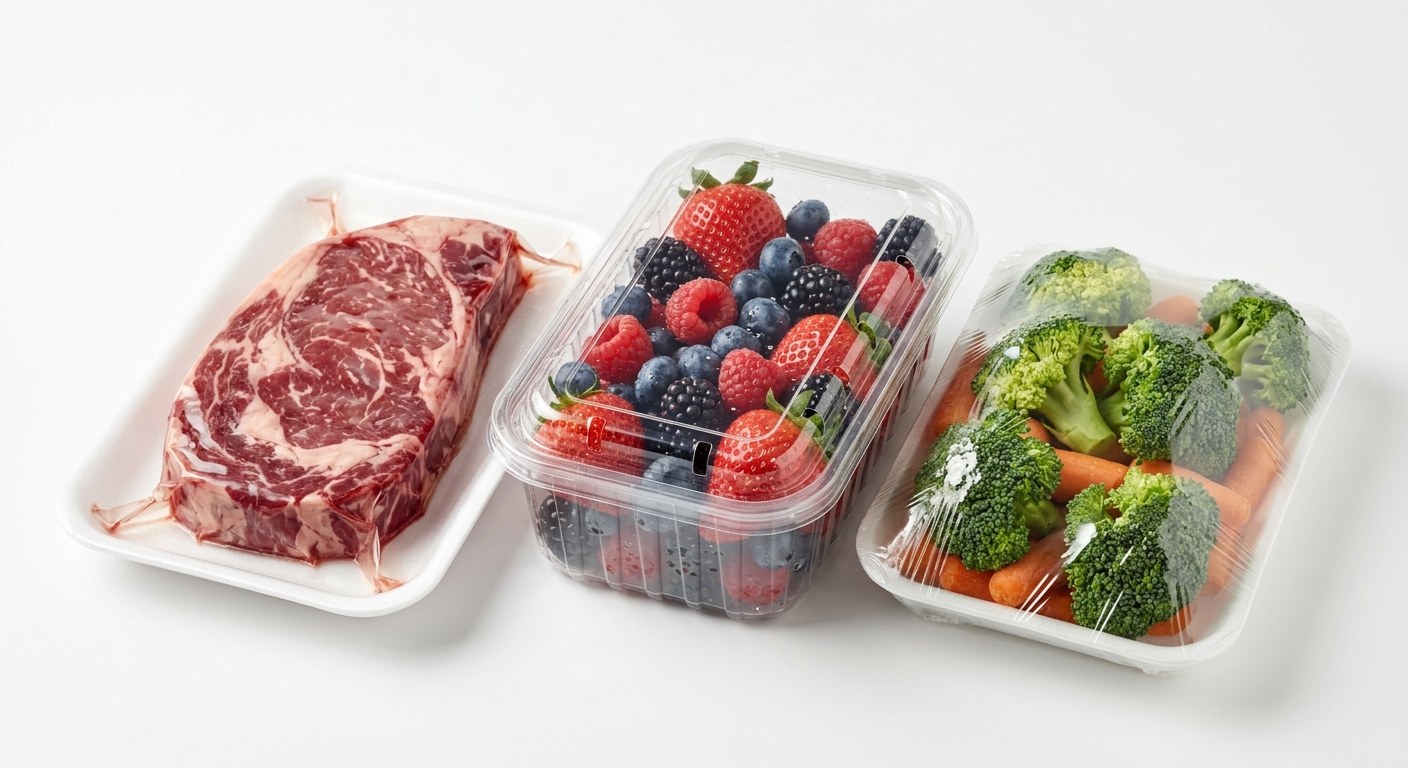
Food packaging overview
The full orfix NJB food range and the right starting point if you are still scoping.
Sustainability, straight
Ireland, and parts of the wider UK market, currently lack the infrastructure to recycle soft plastics, which is the concrete reason compostable flow-wrap and lidding can be the practical lower-impact route in those markets rather than a generic green claim.
PLA is plant-based, made from fermented plant starch derived from corn, cassava, sugarcane or sugar beet pulp, and degrades into CO2, water and biomass under controlled industrial conditions (T greater than 58C, rh greater than 90%, presence of micro-organisms). Cellulose is derived from wood pulp and is suitable for home composting, industrial composting and anaerobic digestion.
We do not place certification logos on this page: certified film solutions, including film-level EN 13432 and TUV, ASTM or DIN CERTCO schemes, are possible in principle, depending on product and production partner, and are reviewed individually. We publish no carbon, OTR, MVTR or shelf-life figures we cannot yet substantiate. Where recyclability is the better fit, see our mono-PET tray lidding films and mono-PE flow wrap films instead, and the wider orfix GREEN LABEL range.


Start a Packaging Consultation
Compostable selection is not a catalogue decision. Tell us four things and we match the film: your product and its shelf-life target, your machinery and line, the convenience features you need (perforation, dead-fold, seal) and how the pack should present on shelf. We respond with a material specification, a sample pack where useful, and an end-of-life route that matches the market your product actually sells into. Where a recyclable route is the better fit, we will say so and point you to the mono-PET or mono-PE alternative instead.
Frequently asked
Certified sustainable packaging is possible in principle, depending on the product line. Whether a specific film and application qualify for the Blue Angel or the orfix GREEN LABEL is reviewed individually.
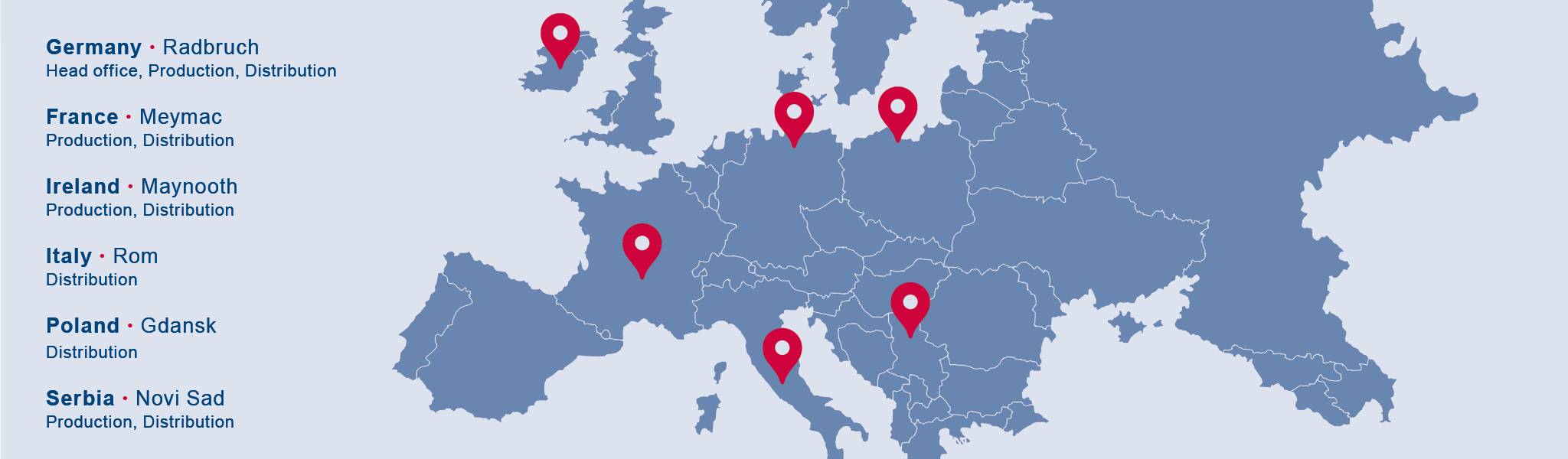
We would be pleased to advise you individually!
Your competent partner with a full range for everyone who counts, packs, transports or stores.